Antique Prints of Cumberland
Richard Nicholson of Chester
A World of Antique Maps and Prints

Established in 1961

All the Prints on this page are guaranteed to be genuine early specimens
published in or around the year stated
-

Lowdore Waterfall
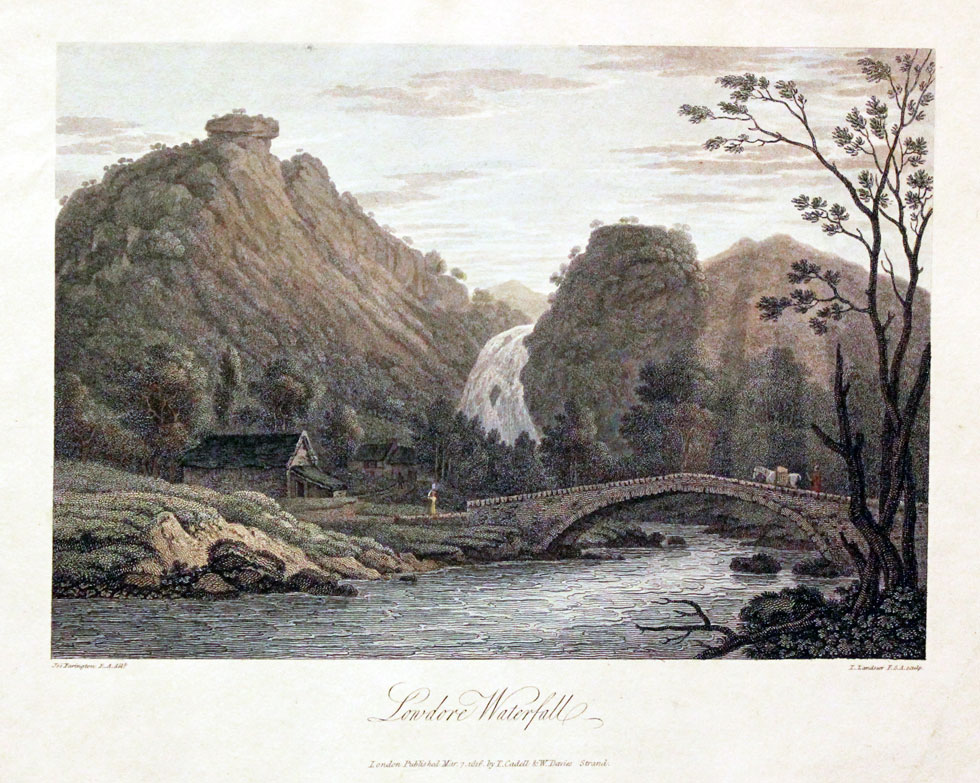
41811 Lowdore Waterfall, J. Farington, 1816. Price: 16.50
LOWDORE WATERFALL. A hand coloured engraving. The imprint of the publisher T. Cadell and W. Davies beneath is dated 1816. 9 x 6 1/4 inches. Good condition.
-

Carlisle
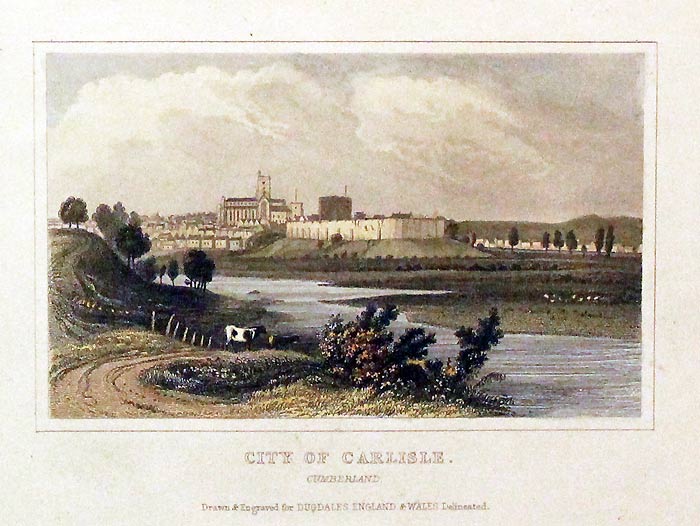
82341 Carlisle, c.1845. Price: 12.00
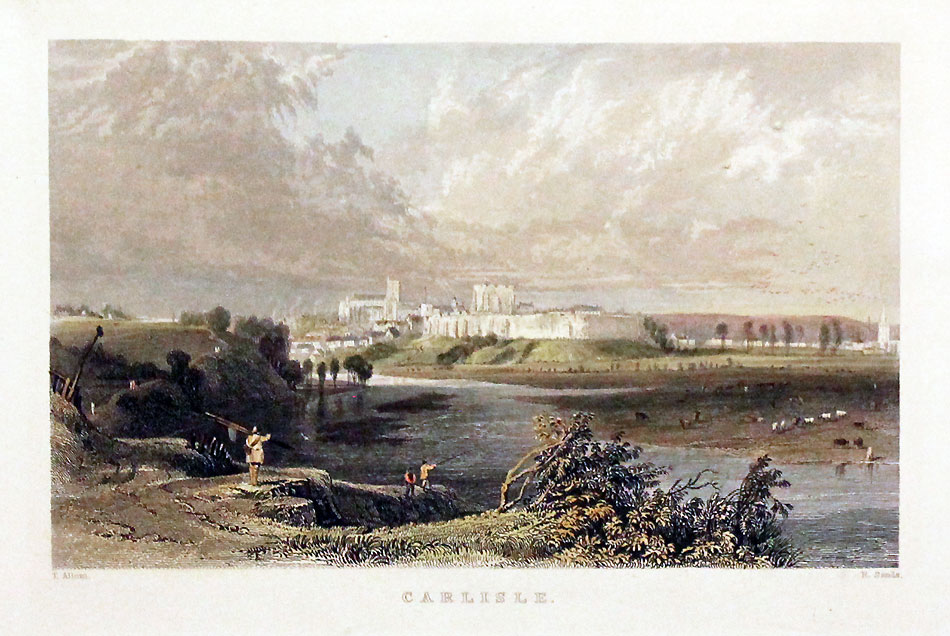
CITY OF CARLISLE. CUMBERLAND. A hand coloured steel engraved town view. 4 x 2 1/2 inches. In a green sunk mount. Good condition.
From: Dugdale's England and Wales
-

Wetheral Priory
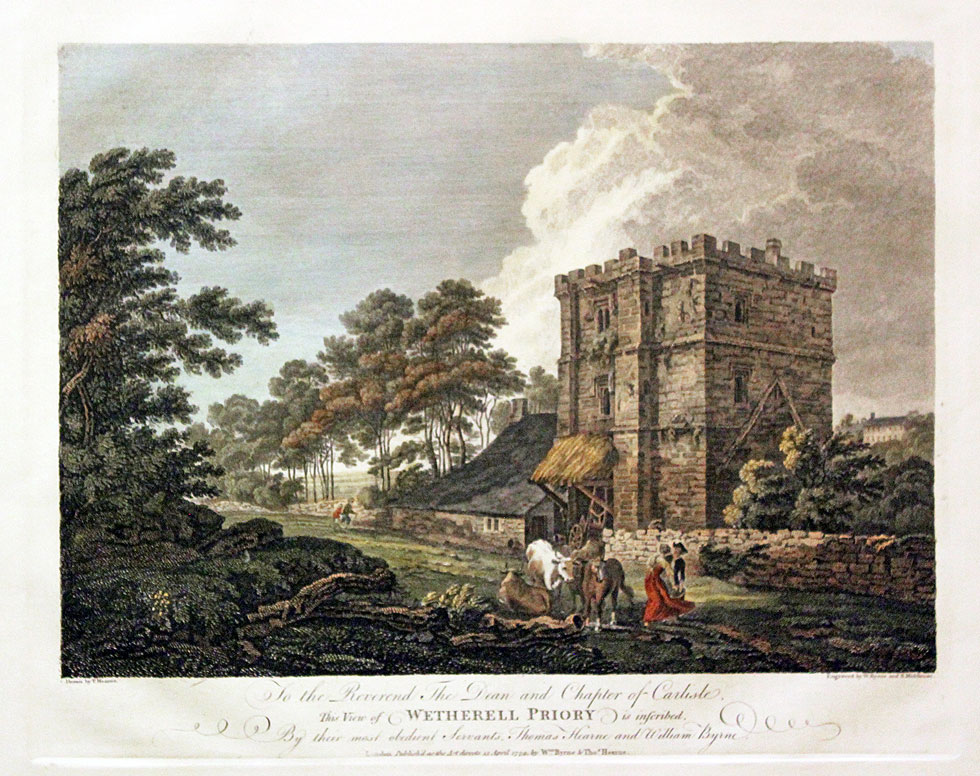
87883 Wetheral Priory, T. Hearne, c.1820. Price: 24.00
WETHERELL PRIORY. Drawn by T. Hearne. Engraved by W. Byrne and S. Middiman. The title bears an inscription fo the Reverend The Dean and Chapter of Carlisle. Attractive view with cattle and figures. Dated 1779 but published circa 1820. 10 x 7 1/4 inches. Hand coloured. Good clean condition.
-

Allonby
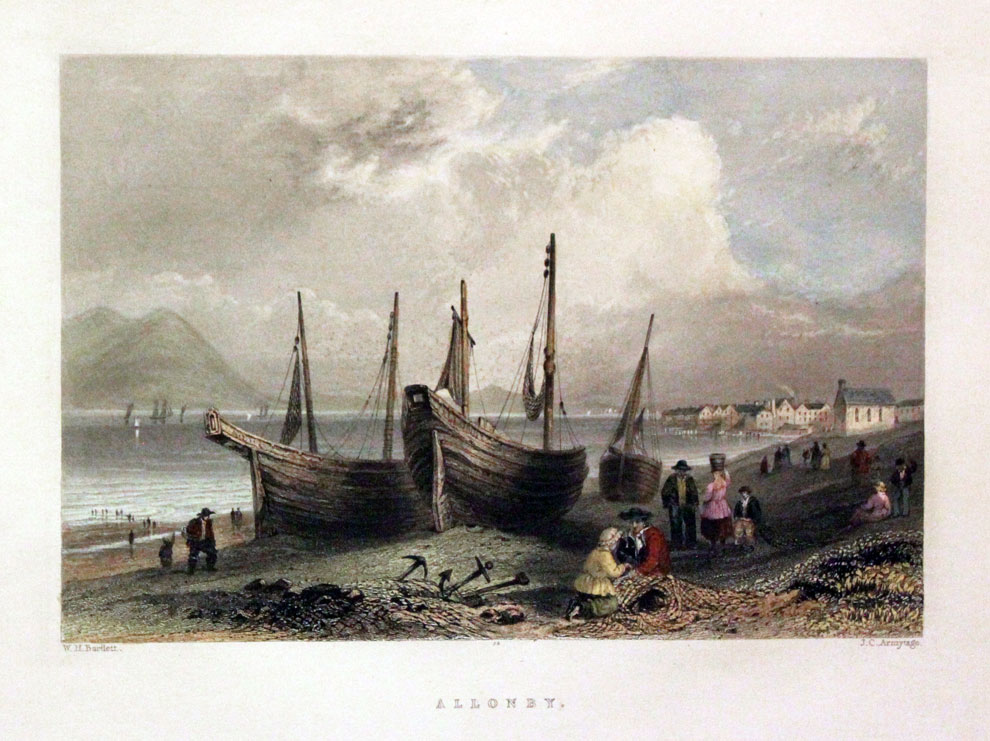
93670 Allonby, W. H. Bartlett, c.1840. Price: 16.00
ALLONBY. W. H. Bartlett / J. C. Armytage. A hand coloured steel engraved view looking along the beach towards the town. Boats and many figures. Hand coloured. 7 1/2 x 5 inches. A little browning on the edge of the bottom blank border but otherwise good condition.
Original Engravings
THOMAS ALLOM
A series of steel engravings from the drawings and paintings of Thomas Allom and other artists. Engraved by various engravers of the day and published in London c.1833 - 1838. Each measures about 5 3/4 x 3 1/2 inches, 145 x 90 mm.

Thomas Allom (1804–1872) was an English architect, artist, and topographical illustrator best known for his detailed and atmospheric views of landscapes, cities, and historical sites. He played an important role in shaping how people in 19th-century Britain imagined both their own country and distant regions of the world.
Allom was trained as an architect under Francis Goodwin, and this background strongly influenced his art. His drawings show a precise understanding of structure, perspective, and spatial composition, making buildings and urban scenes feel both accurate and monumental. At the same time, he had a romantic sensibility, often enhancing scenes with dramatic lighting, sweeping skies, and carefully placed figures to create a sense of life and narrative.
He is especially famous for his illustrations of the Ottoman Empire. After traveling to Turkey in the 1830s, he produced a series of works that were published in Constantinople and the Scenery of the Seven Churches of Asia Minor (1838). These images introduced many British readers to detailed and visually rich representations of Istanbul, mosques, palaces, and everyday street life, blending documentary observation with the romantic “Orientalist” style popular at the time. Allom also created many illustrations of British architecture and landscapes. His work appeared in widely circulated books such as The History and Topography of the County of Devon, China Illustrated, and Rome and Its Environs. Through these publications, his images reached a large audience and helped define Victorian visual culture.
As an architect, Allom was a founding member of what would become the Royal Institute of British Architects (RIBA), showing his professional importance beyond illustration. Although he is remembered today mainly for his engravings and drawings, his architectural career reflects the dual nature of his talent: technical precision combined with artistic imagination. In summary, Thomas Allom was a key figure in 19th-century visual culture, whose work bridged architecture, travel, and art. His images remain valuable not only for their beauty, but also as historical documents that reveal how the Victorian world saw itself and the wider globe.
-

The Giant's Grave, Penrith by Thomas Allom and R. Sands
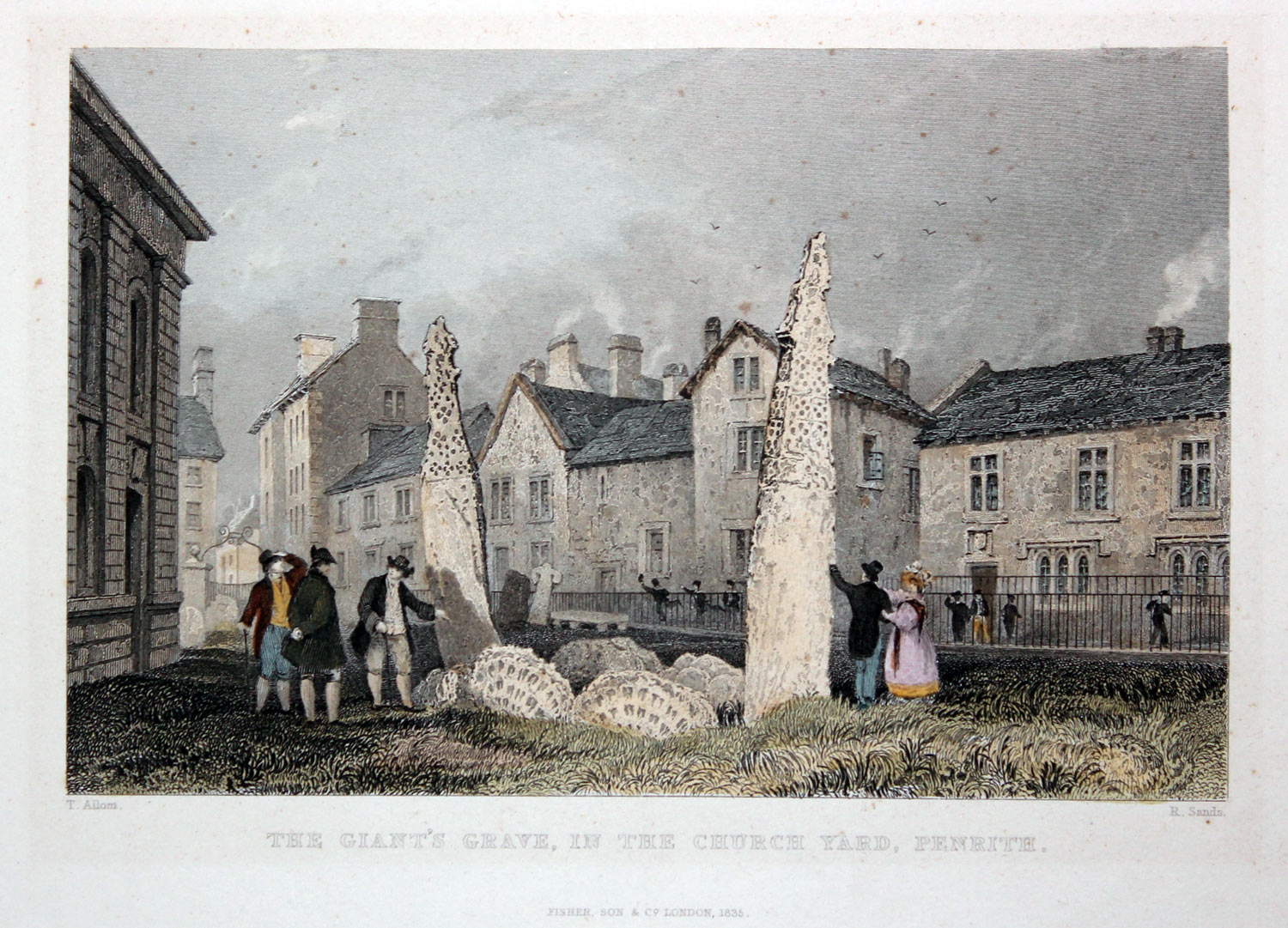
78957 The Giant's Grave, Penrith
Price: 12.50
-
The Giant's Grave, Penrith by Thomas Allom and R. Sands
78957 The Giant's Grave, Penrith
Price: 12.50
-

Carlisle Cumbria
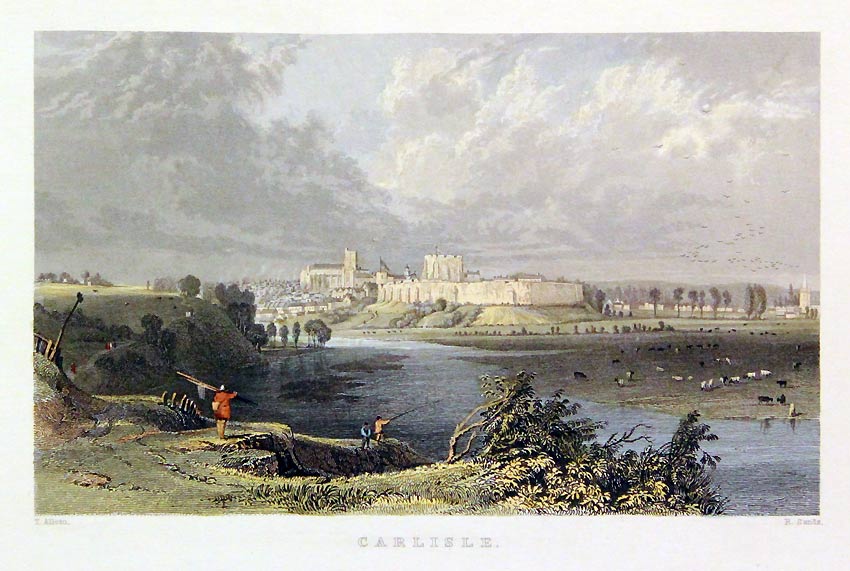
89772 Carlisle
In a 2 1/2 inch ivory tint sunk mount Price: 18.00
-

Ullswater from Pooly Bridge
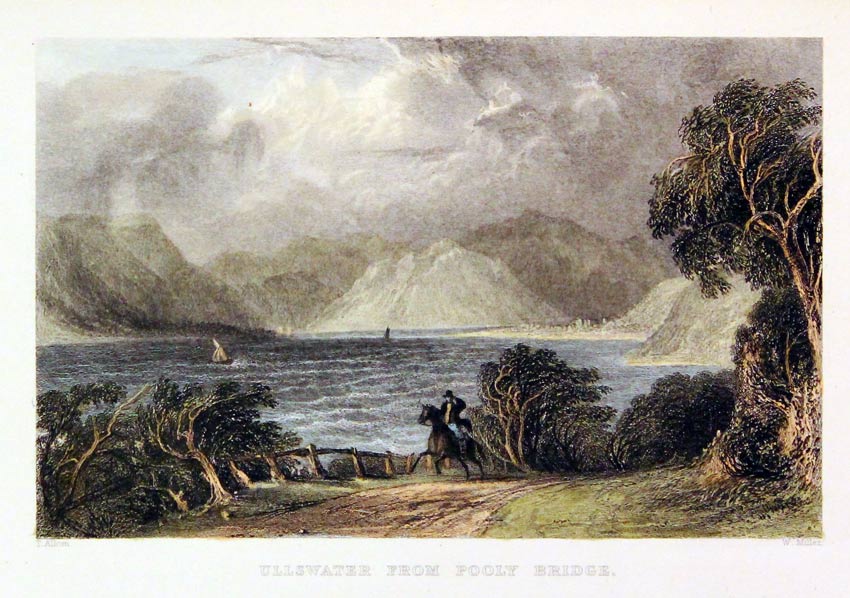
91673 Ullswater from Pooly Bridge
Price: 13.50
-

Second Reach Ullswater
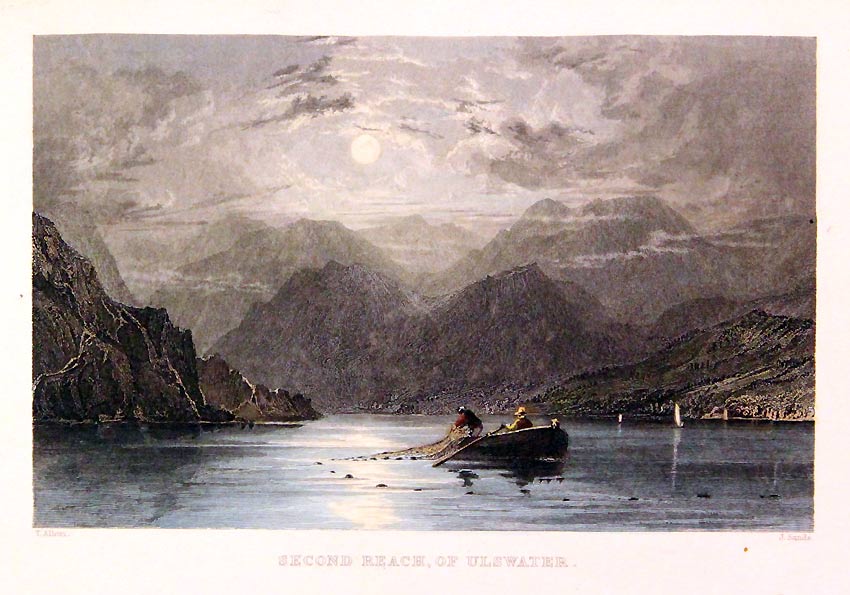
89926 Second Reach, of Ullswater
Price: 12.50
-

Thirlmere Bridge Cumbria
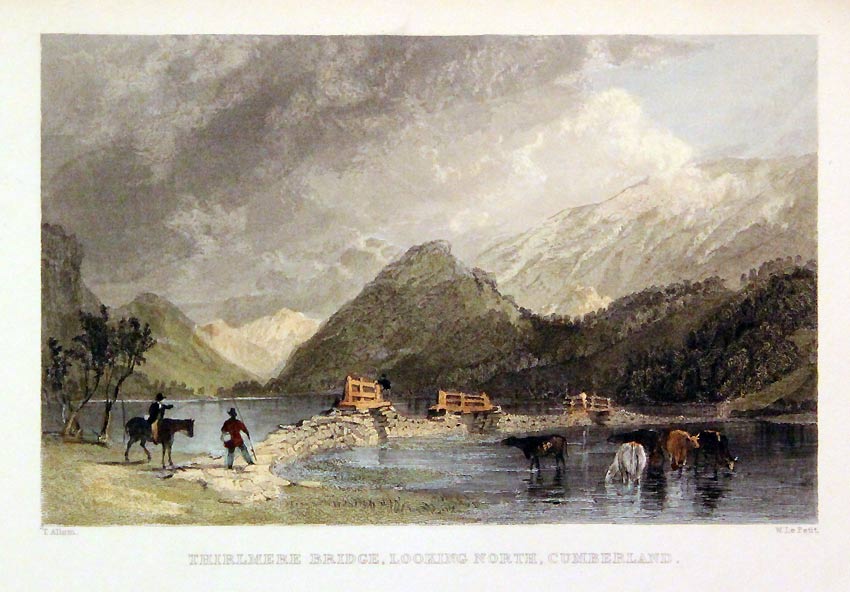
90209 Thirlmere Bridge, looking North, Cumberland
Price: 14.00
-

Honister Crag Cumbria
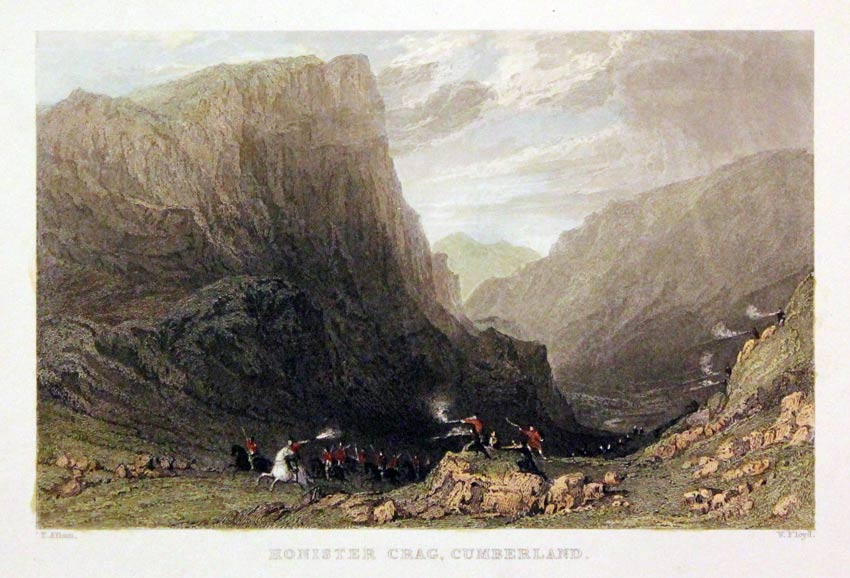
89818 Honister Crag, Cumberland
Price: 14.00
-
Egremont from Ravenglass Cumbria
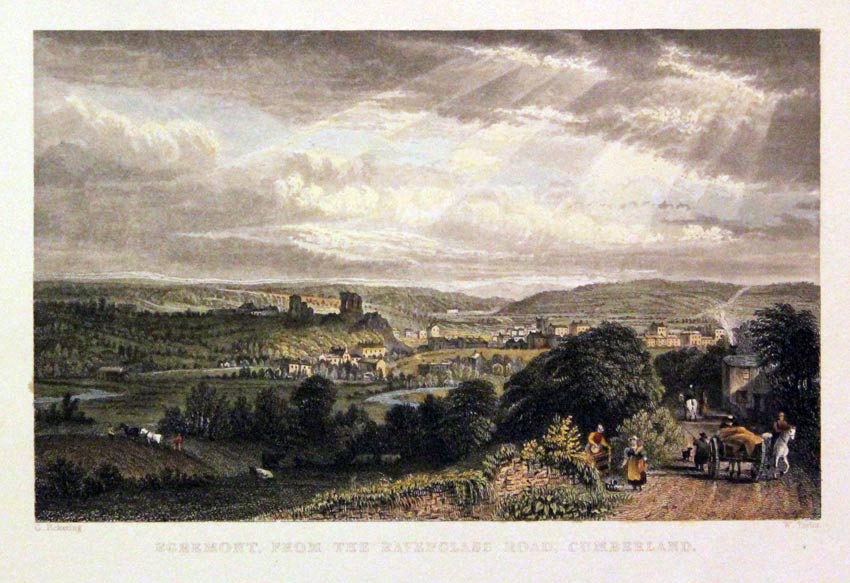
89886 Egremont, from the Ravenglass Road, Cumberland
Price: 14.00
-

Giant's Grave Penrith Cumbria
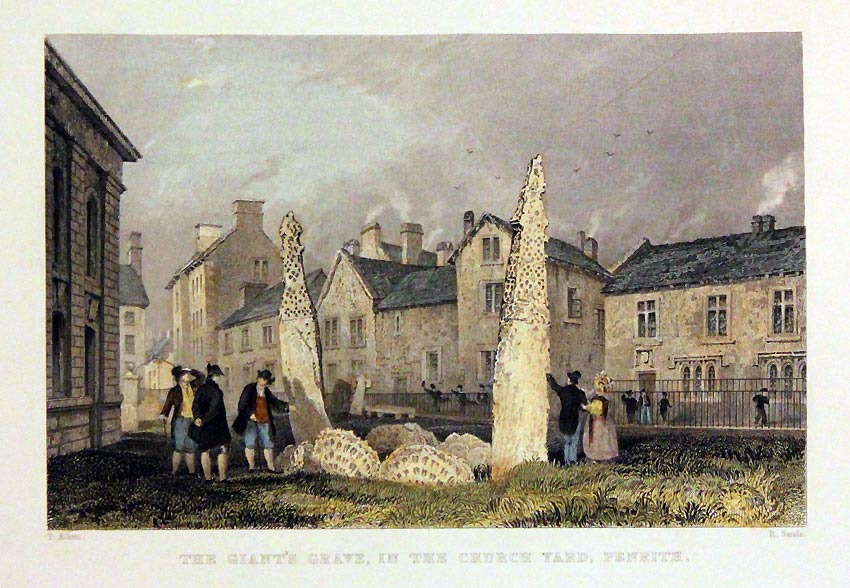
91671 The Giant's Grave, in the Church Yard, Penrith
Price: 14.00
-

Vale of St. John and Saddleback Cumbria
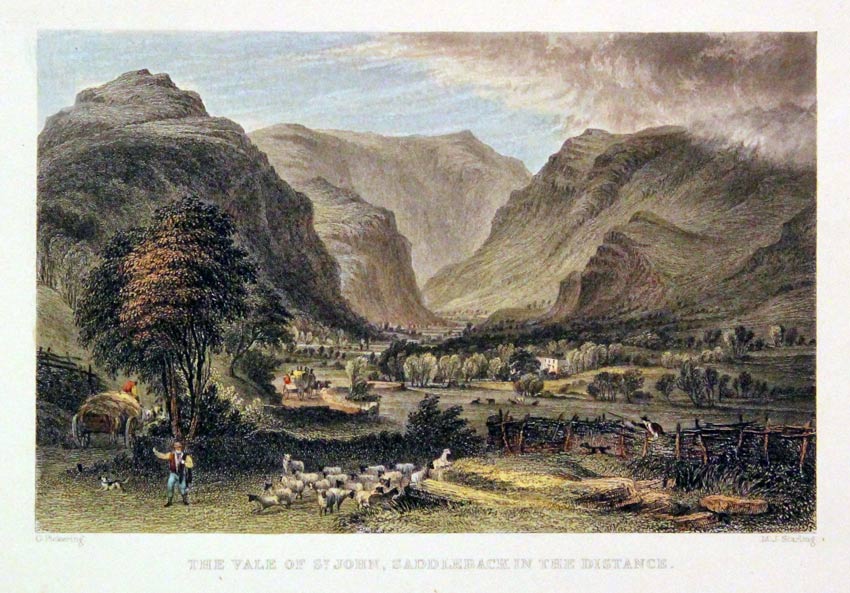
89756 The Vale of St. John, Saddleback in the Distance
Price: 14.00
-
Upper Reach Ullswater Cumberland

89927 Upper Reach, Ullswater
Price: 13.00
-

Mill Beck and Buttermere Cumbria
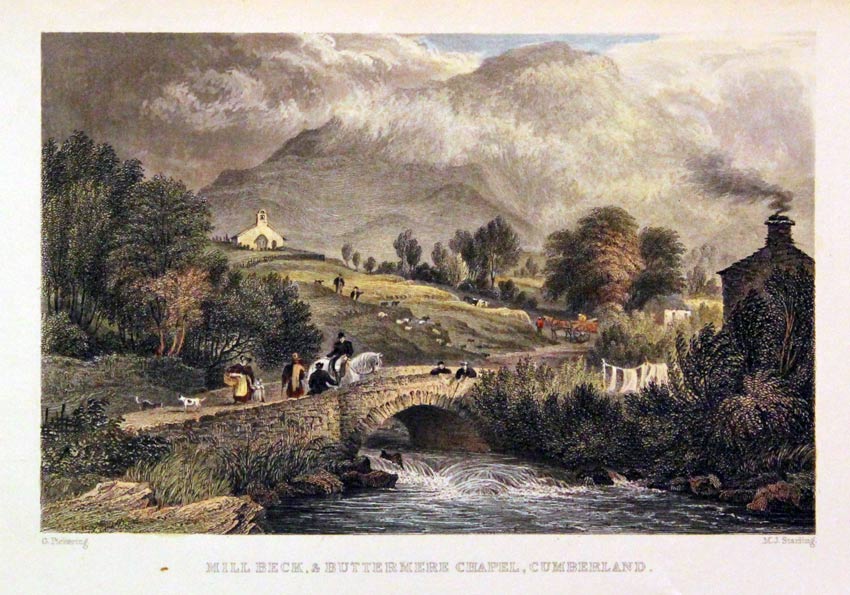
89757 Mill Beck & Buttermere Chapel, Cumberland
Price: 14.00
-

Castle Rock Vale of St.John Cumberland
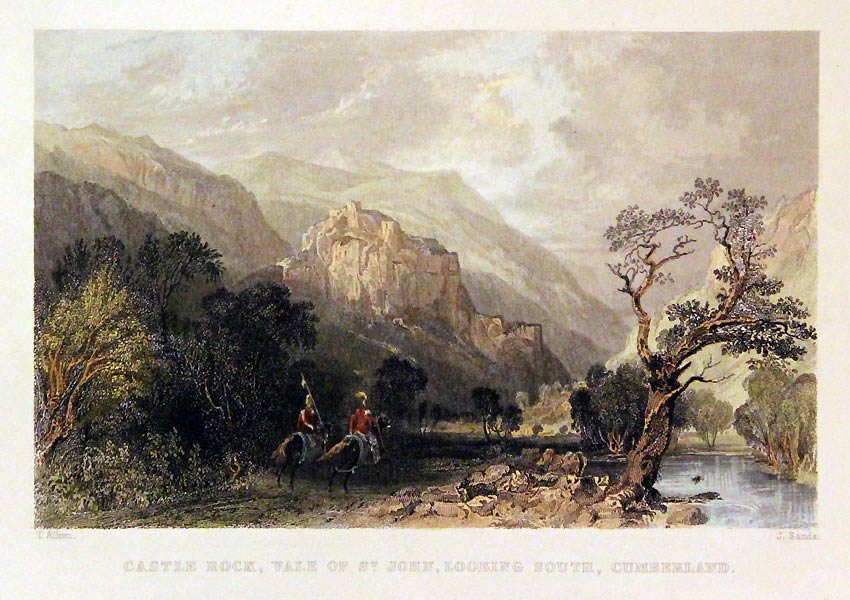
89876 Castle Rock, Vale of St. John, looking South, Cumberland
Price: 14.00
-

Carlisle Castle
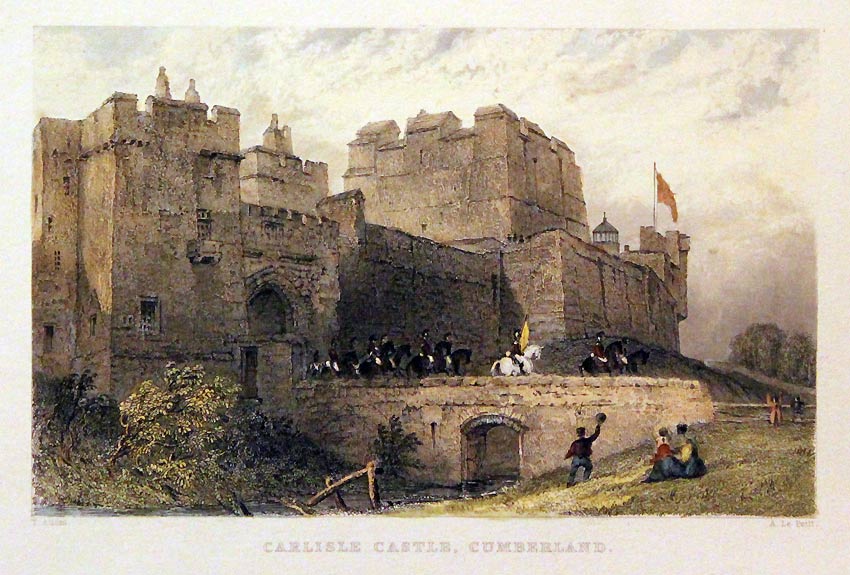
89878 Carlisle Castle, Cumberland
Price: 14.00
-

Buttermere Cumbria
89774 Buttermere, Cumberland
Price: 14.00
-

Eagle Crag Cumbria
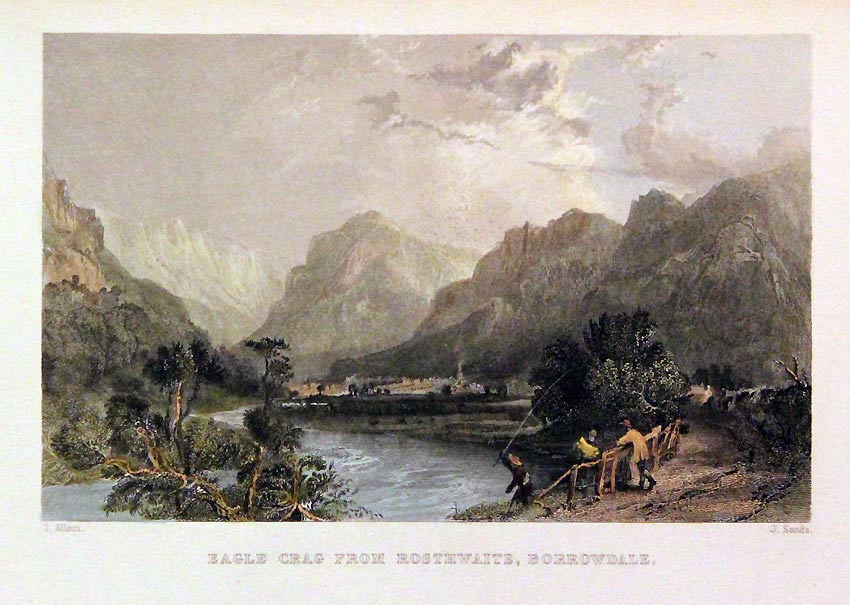
89925 Eagle Crag from Rosthwaite, Borrrowdale
Price: 14.00
-

Egremont Cumbria
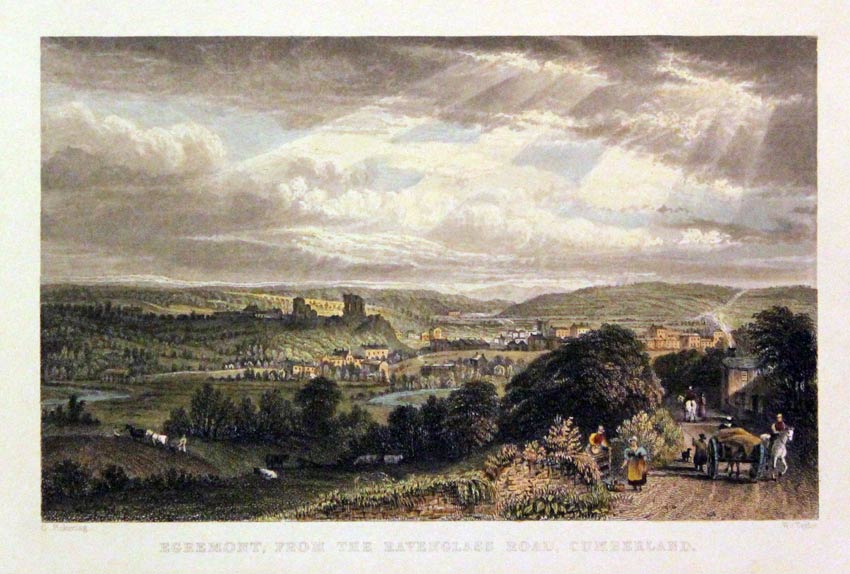
90876 Egremont, from the Ravenlass Road, Cumberland
Price: 14.00
-

Rossthwaite Borrowdale Cumbria
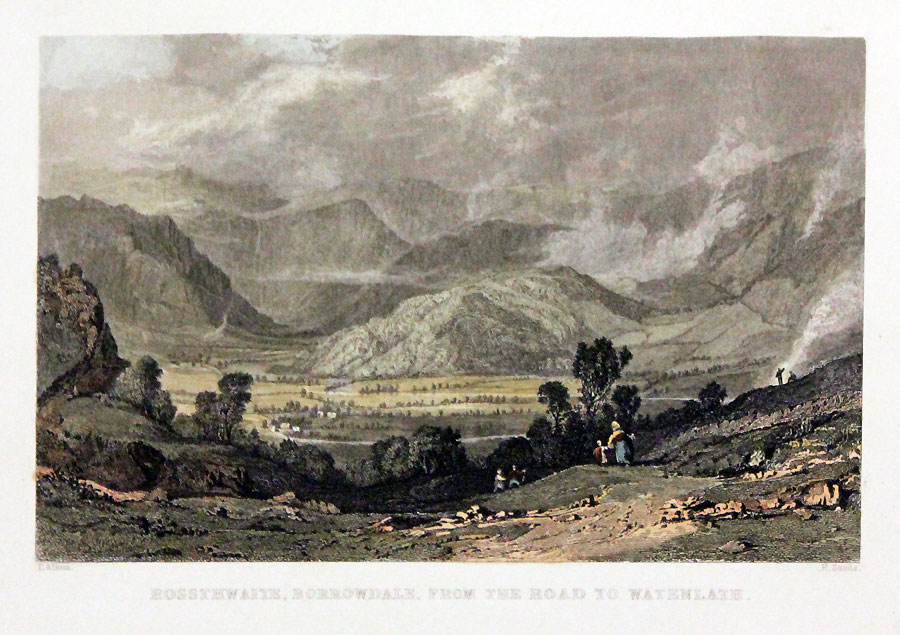
-

Mill Stock-Gill Cumbria
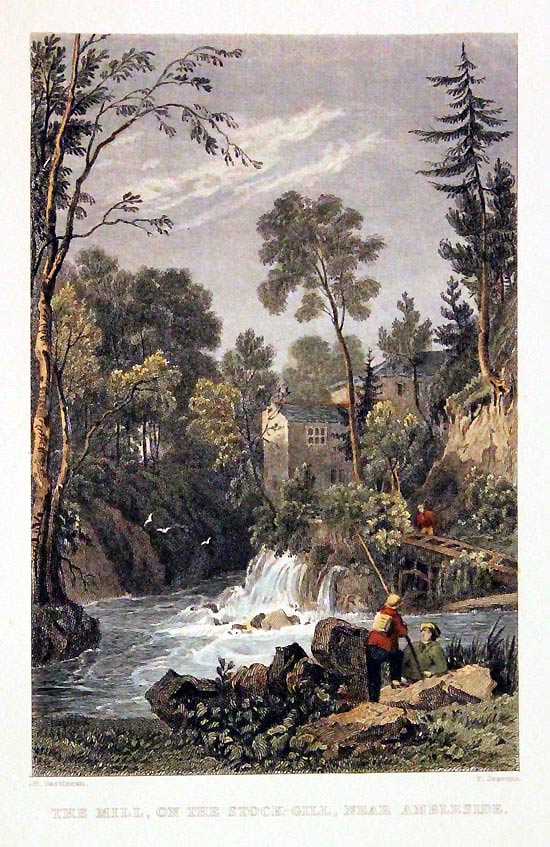
89965 The Mill, on the Stock-Gill, near Ambleside
Price: 14.00
-

Ambleside Cumbria
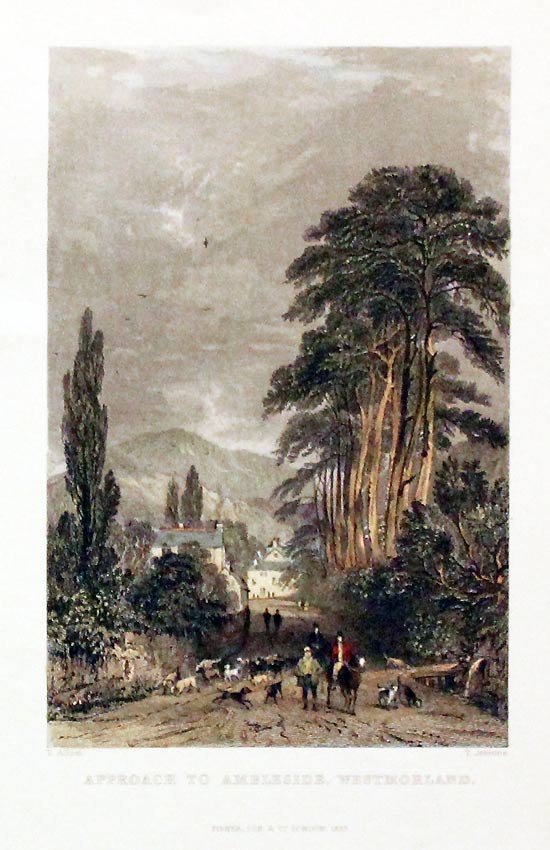
89883 Approach to Ambleside, Westmorland
Price: 14.00
-

Steel engravings of Naworth Castle Cumbria
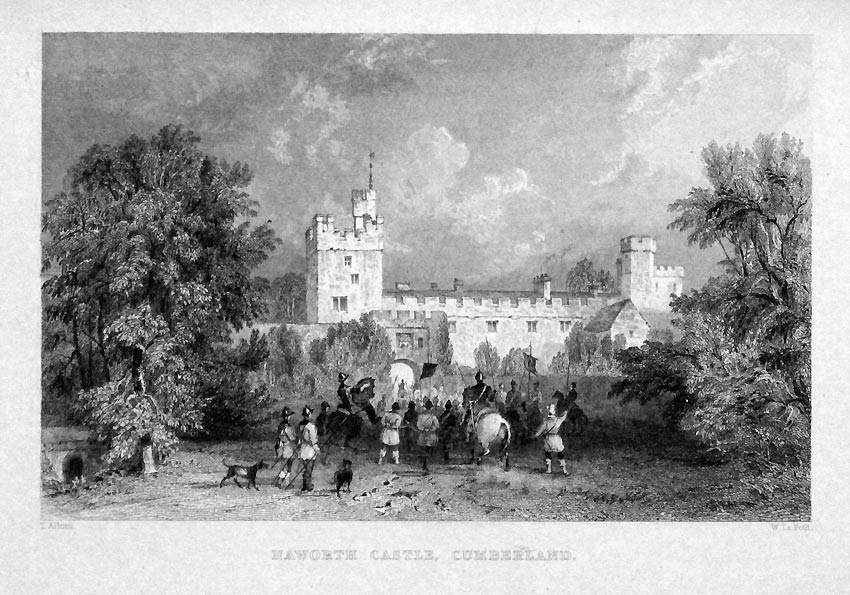
CU40 Naworth Castle, Cumberland
Price: 7.00
-
Engraving by Thomas Allom of Naworth Castle Cumbria
CU17 The Court Yard, Naworth Castle, Cumberland
Price: 7.00
-

Holme Hall Cumbria
CU34 Holme Hall, near Ravenglass, Cumberland
Price: 7.00
-

Corby Castle Cumbria
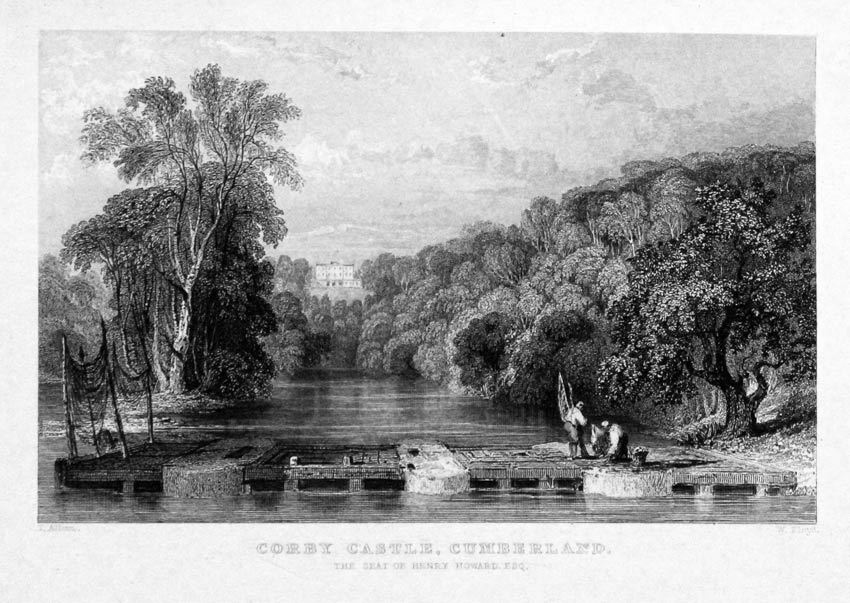
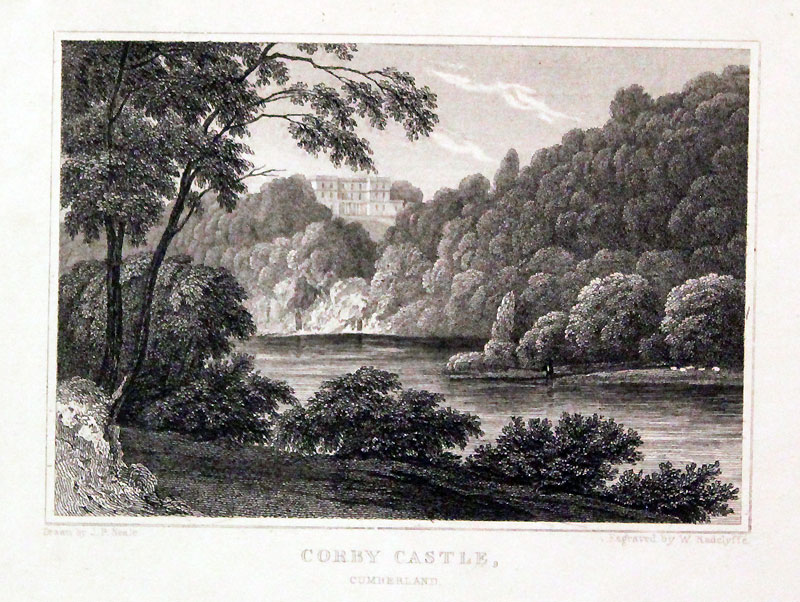
CU16 Corby Castle, Cumberland. The Seat of Henry Howard.
Price: 7.00
-

Netherby Cumbria
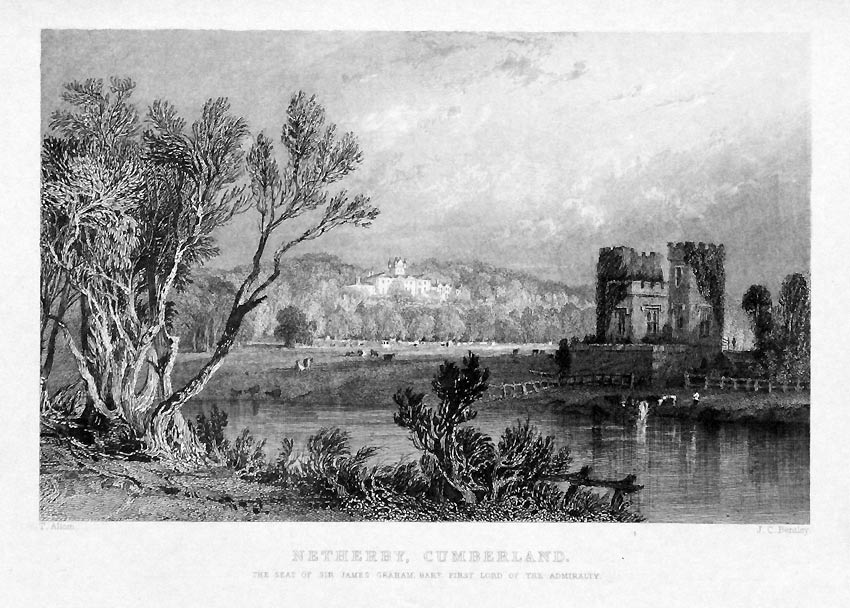
CU41 Netherby, Cumberland. The Seat of Sir James Graham.
Price: 7.00
-

Wood Hall near Cockermouth Cumbria
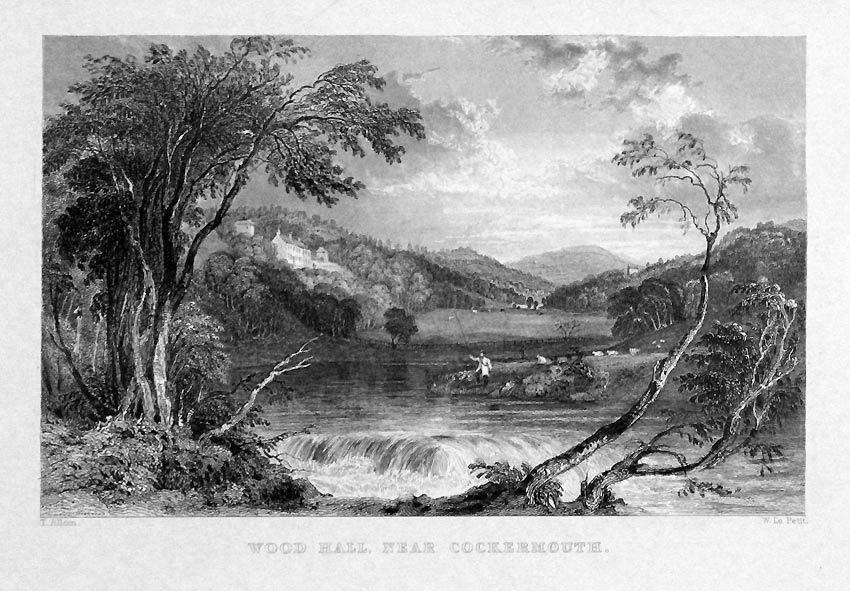
CU60 Wood Hall, near Cockermouth.
Price: 6.00
-

Waterfall near Sty Head Cumbria
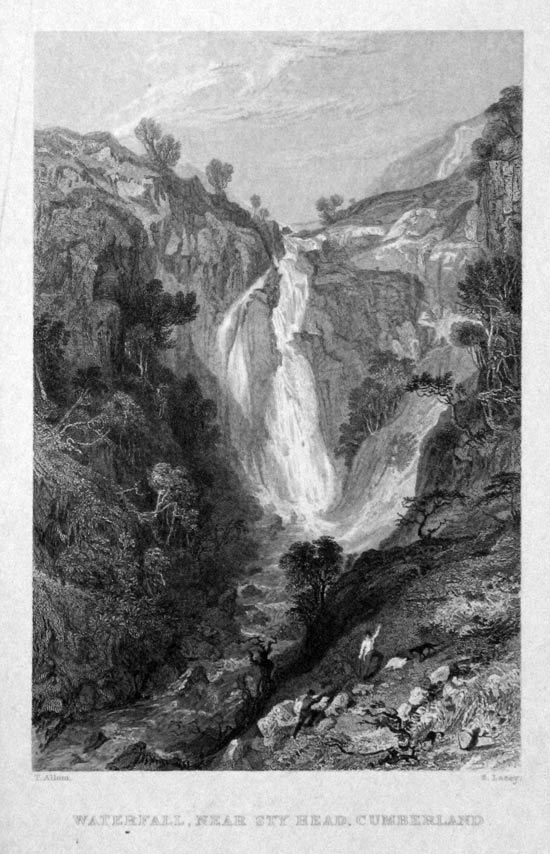
CU58 Waterfall, near Sty Head, Cumberland
Price: 6.00
-
Waterfall near Sty Head Cumbria
CU39 Lowdore Cataract, Cumberland.
Price: 6.00
-

Interior of Carlisle Cathedral
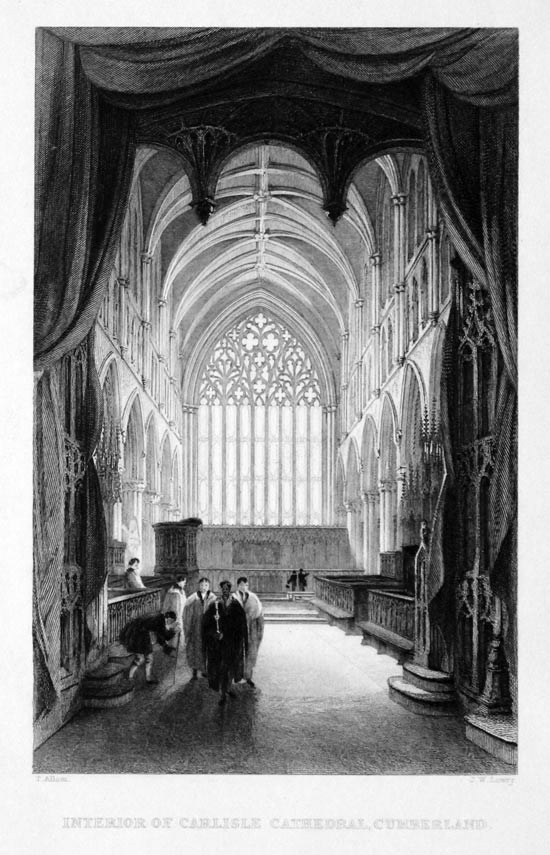
CU12 Interior of Carlisle Cathedral, Cumberland.
Price: 6.00
-

Lanercost Priory, Cumberland
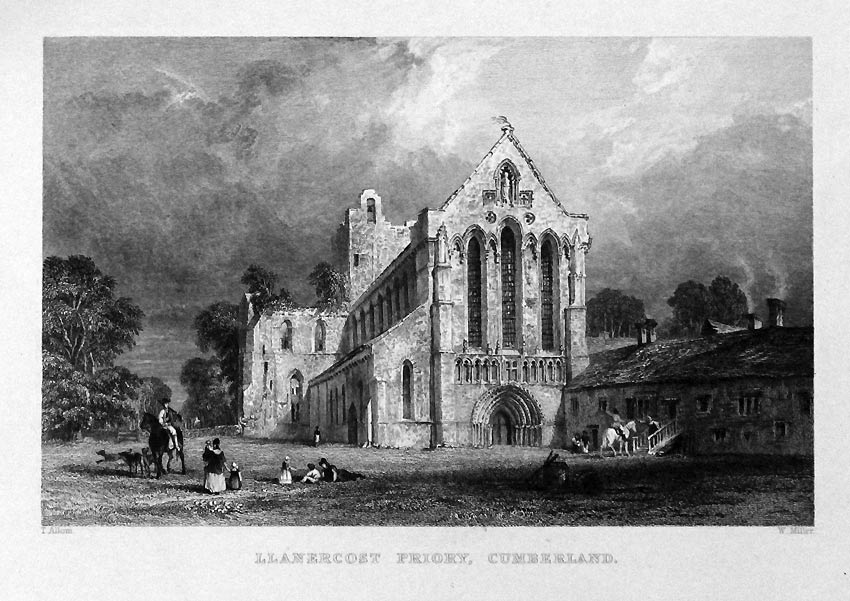
CU37 Lanercost Priory, Cumberland
Price: 6.00
-

Giant's Grave Penrith
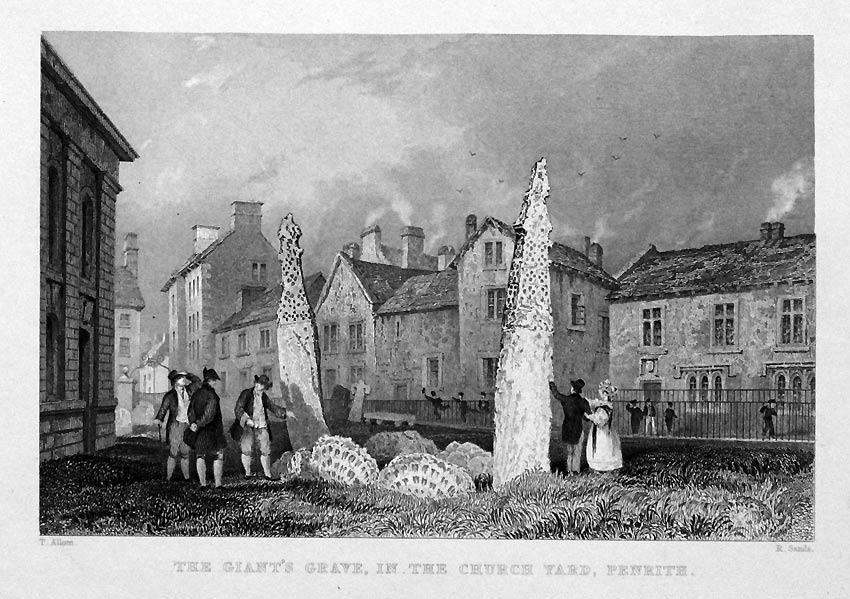
CU29 The Giant's Grave, in the Church Yard, Penrith
Price: 8.50
-

Crummock Water Penrith
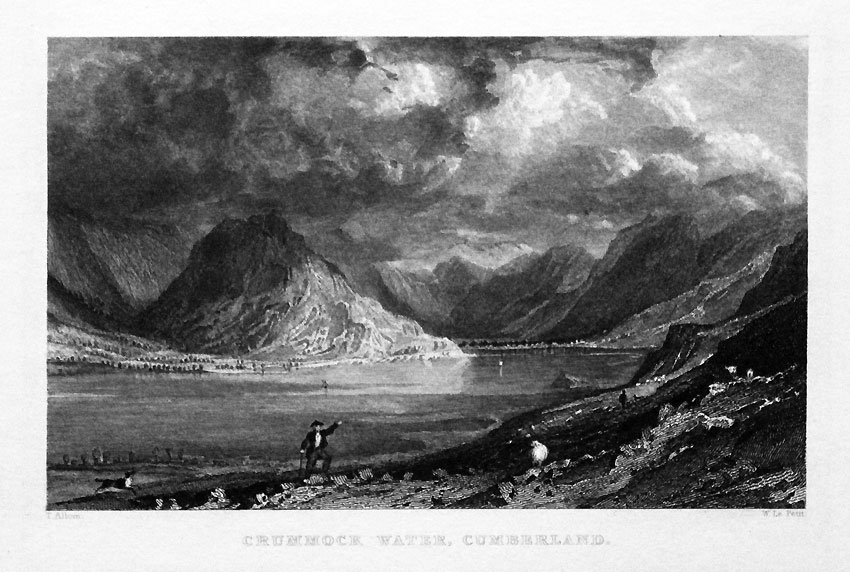
CU18 Crummock Water, Cumberland
Price: 9.00
-

Crummock Water Cumberland
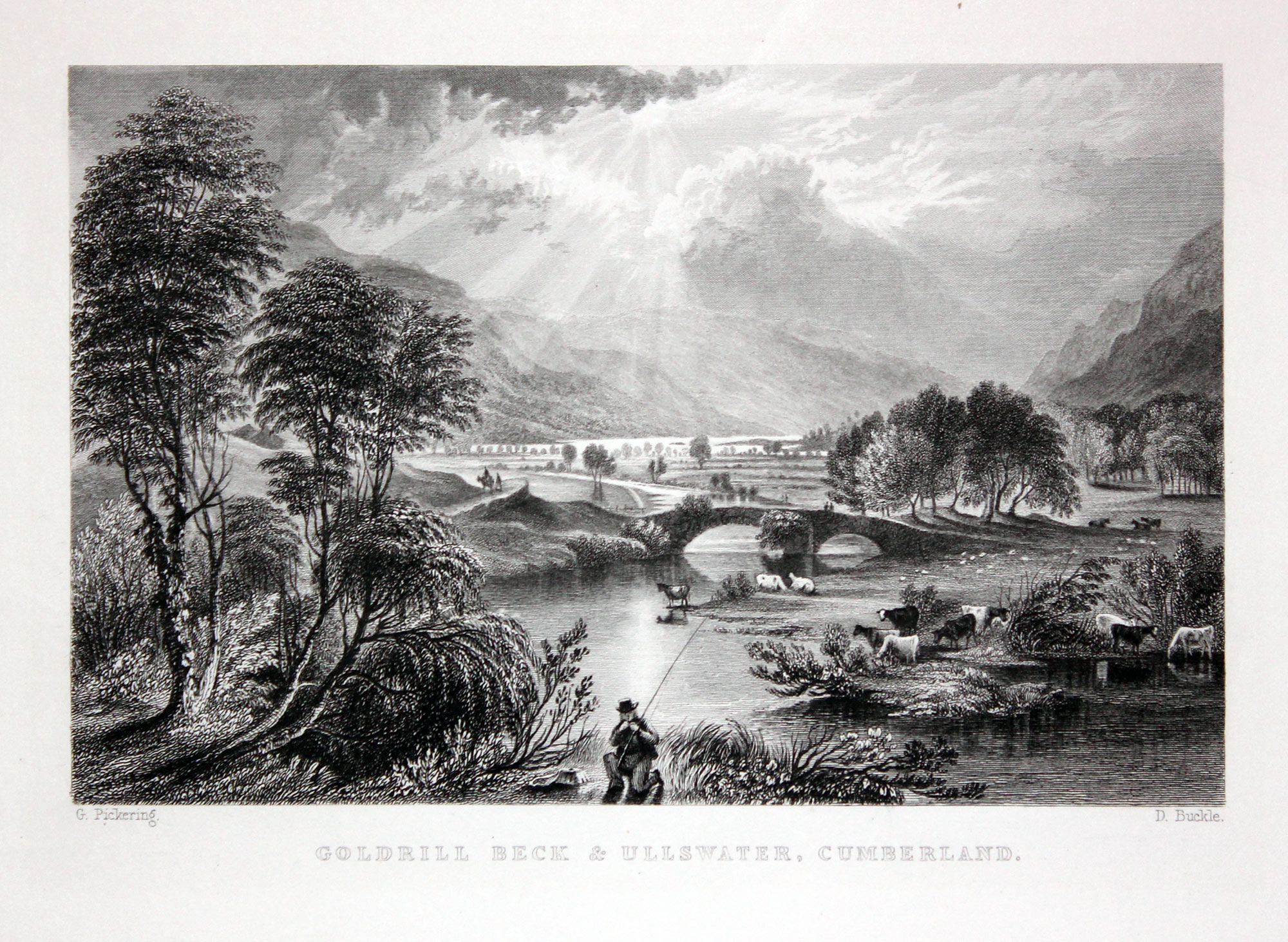
44712 Goldrill Beck & Ullswater, Cumberland
In a blue coloured sunk mount Price: 12.00
-

Crummock Water Cumberland
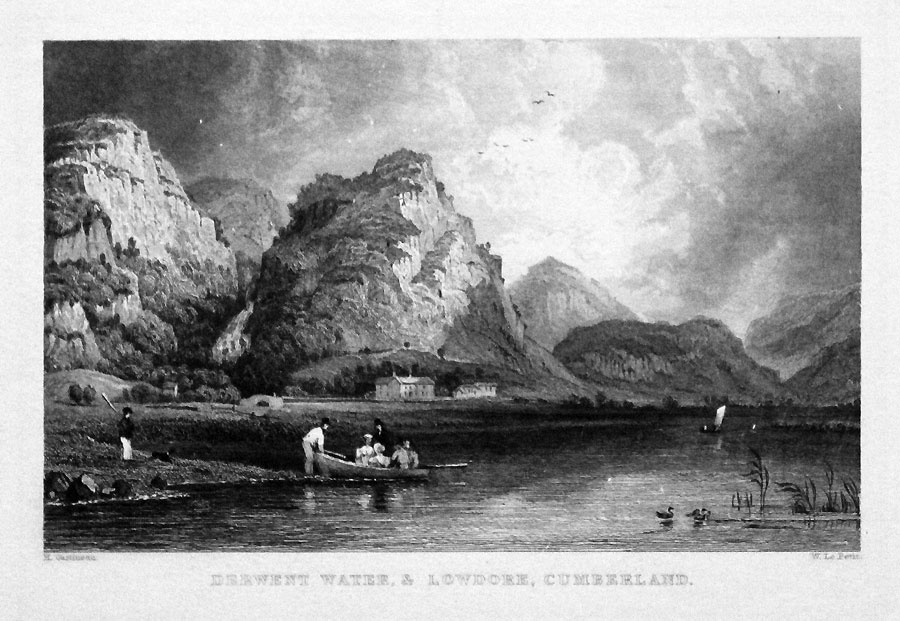
61033 Derwent Water & Lowdore, Cumberland
Price: 12.00
-
Crummock Water Cumberland
44712 Goldrill Beck & Ullswater, Cumberland
In a blue coloured sunk mount Price: 12.00
-

View of Carlisle Cumberland by Thomas Allom
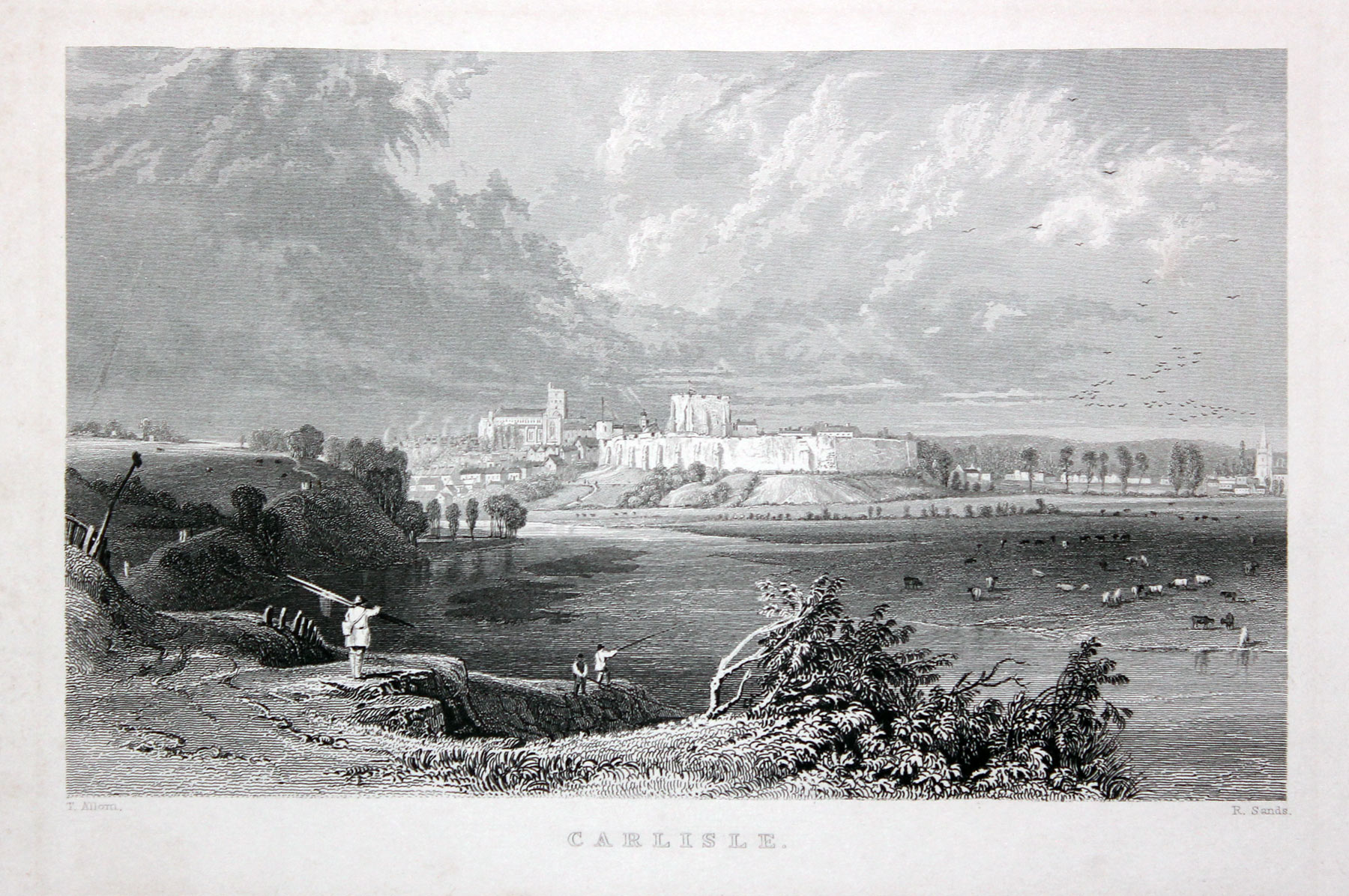
63272 Carlisle
In a fawn coloured sunk mount Price: 12.50
-

View of the Courtyard at Naworth Castle, Cumberland by Thomas Allom
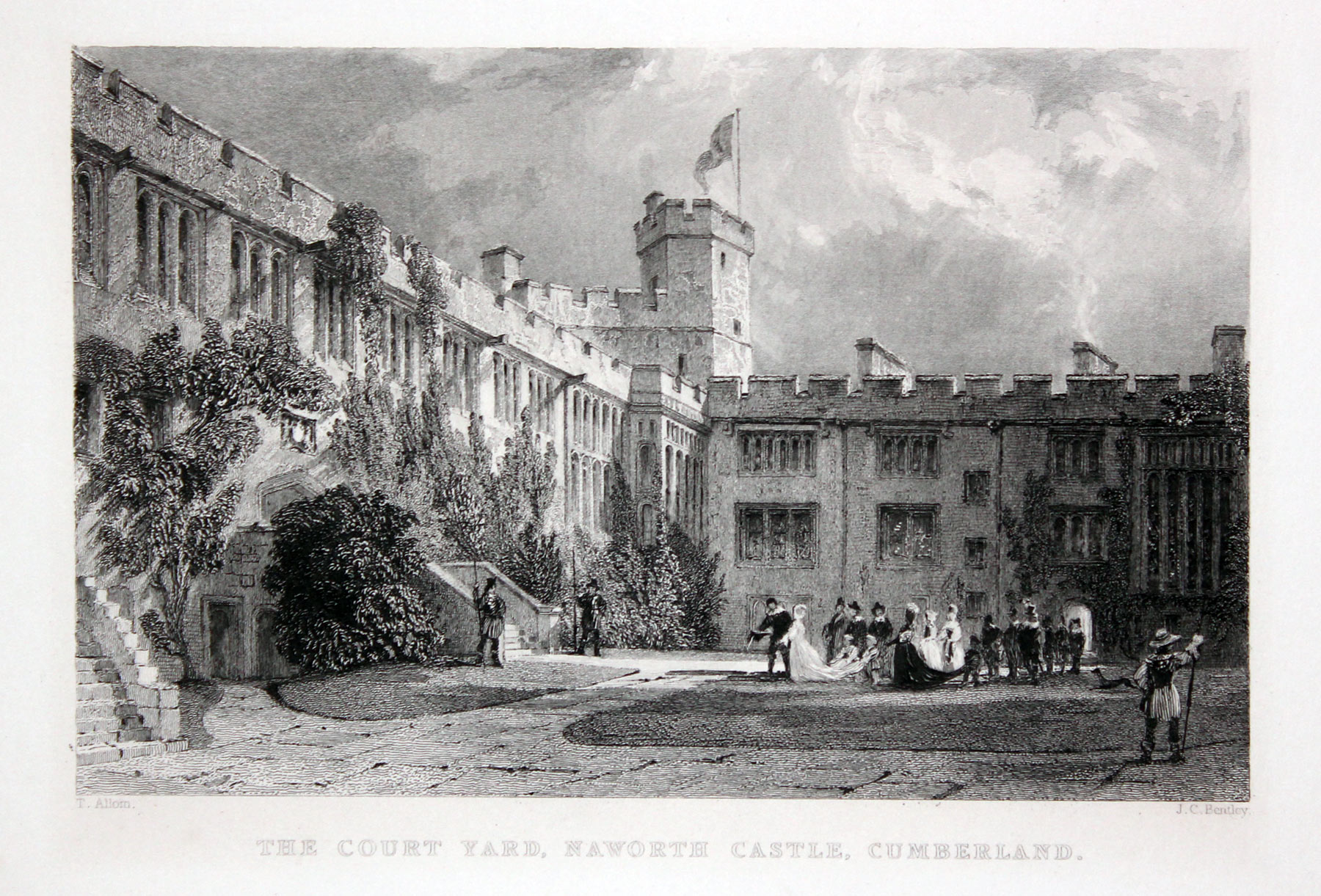
35474 The Court Yard, Naworth Castle, Cumberland
In a salmon coloured sunk mount Price: 12.00
-

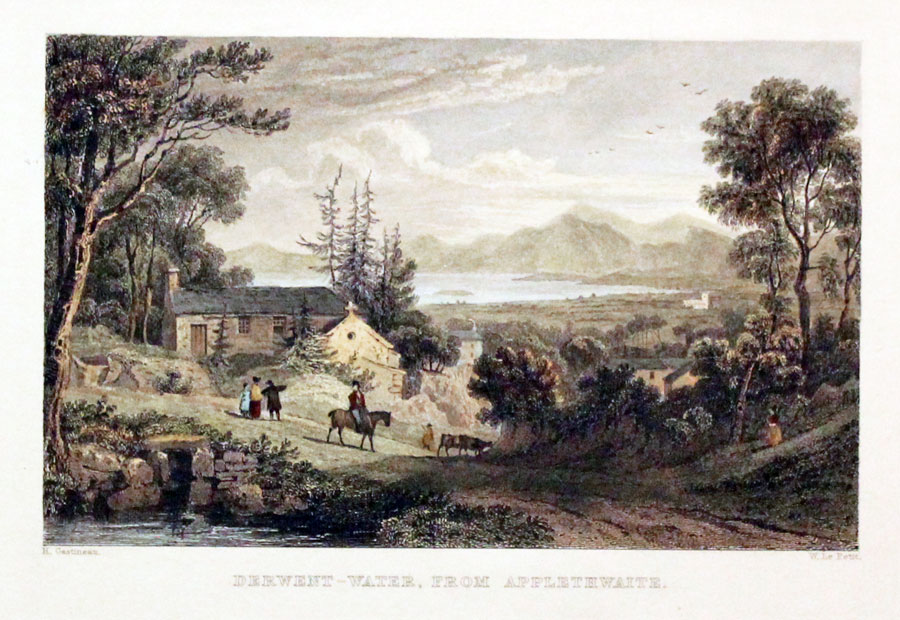
Derwentwater from Applethwaite
Cumberland Country Seats
by J. P. Neale
A series of small steel engravings, hand coloured and uncoloured Drawn by J. P. Neale and engraved by various artists Published, unless otherwise stated in 1830.
Size: 4 3/4 x 3 1/4 inches
John Preston Neale (1780–1847) was an English artist best known for his finely detailed architectural and landscape drawings. Born in 1780, he initially worked as a clerk in the General Post Office before turning to art full-time. He became recognized for his skill in capturing buildings, estates, churches, and scenic views across Britain and Ireland. Artistic Style and Media Neale predominantly worked in pen drawings tinted with watercolour, producing highly accurate and elegant views of architectural subjects. While he occasionally painted in oil or watercolour, his reputation rests squarely on his draughtsmanship — drawings that were frequently turned into engravings for publication. Career and Exhibitions:
Neale first exhibited at the Royal Academy in 1797, showing two insect drawings, and continued to exhibit topographical and architectural works there and with other prominent artistic societies until the 1840s.
His works appeared in exhibitions of the Society of Painters in Oil and Water Colours, the Society of British Artists, and the British Institution.
Legacy and Influence: Neale’s work was widely reproduced through engravings, helping document British architectural heritage at a time when many buildings were changing or under threat. His detailed topographical art remains valuable for historians and collectors and continues to appear in prints and decorative art collections.
He died on 14 November 1847 near Ipswich at about 67 years of age.
RICHARD NICHOLSON
of CHESTER
Stoneydale
Pepper Street
Christleton
Chester
CH3 7AG
Telephone
01244 336004
International 44 1244 336004

I have been buying and selling antique maps and prints since the early 1960's during which time I had a gallery in Watergate Street, Chester for 30 years. I am now able to offer through my websites a personal service to map and print collectors.